...

Weather and Climate of the Masai Mara

Table of Contents

Planning a safari is a big deal, and if the Masai Mara National Reserve is on your list—which it should be!—Then understanding the local seasons is key. The weather here is a beautiful, sometimes surprising, mix thanks to its high elevation and equatorial location. The weather and climate of the Masai Mara are more than just facts; they’re a character in your adventure.

The Mara isn’t just a park; it’s a massive ecosystem, a sprawling wild space that connects to the Serengeti. People from all over the world come here for good reason. The high altitude keeps things from getting too hot, making it a pleasant experience. And there is more to this weather and climate, as you will see from this piece by the Aj Kenya Safaris Ltd team.

Cloudy sky in the month of november

A Quick Chat about the Weather

So, let’s talk about the weather. You’ll find two main rainy seasons: a long one from March to May and a shorter one from November to December. These rains are what keep the Mara green and full of life. If you want blue skies and sunshine, the dry season from June to October is your best bet.

During the dry season, days are warm, but don’t be fooled – nights can be cool, sometimes dropping into the teens. Those early morning game drives are definitely a “wear a jacket” situation! The rain isn’t as scary as it sounds; it often comes in quick bursts rather than all-day downpours.

“I’ll never forget my first time out on a game drive at dawn. The air was so crisp it took my breath away. We were wrapped in blankets, sipping hot coffee from a thermos, as the sun began to peek over the horizon. The sky exploded in a palette of pinks, oranges, and deep purples. It’s that feeling—the quiet stillness of the morning, the shift from cold to warmth—that makes you feel genuinely connected to the wild” – Mike from the United Kingdom.

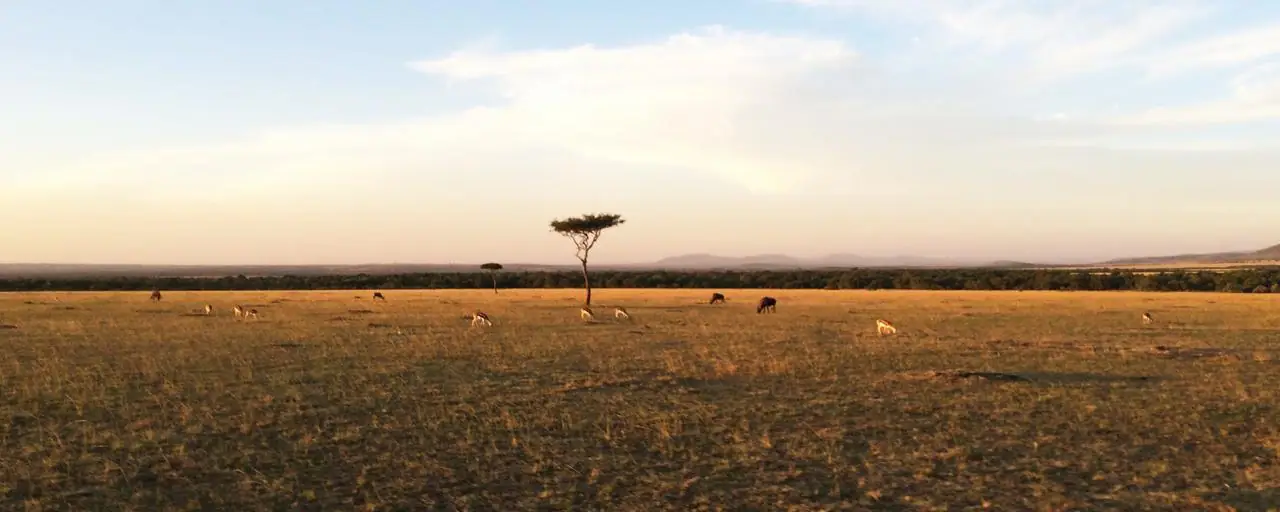
Clear skies in the month of January

The Two Sides of the Mara: Wet vs. Dry

The Mara National Reserve has two faces, depending on the season. The dry season (June-October) is the best for wildlife viewing. The grass is short, and the animals congregate around water sources, making them easier to see.

The wet season (November-May) is when the landscape comes alive. Everything is green, lush, and vibrant. It’s a fantastic spot for birdwatching, and you’ll see lots of baby animals. Please note that the terrain can become a bit muddy.

So, When Should You Go?

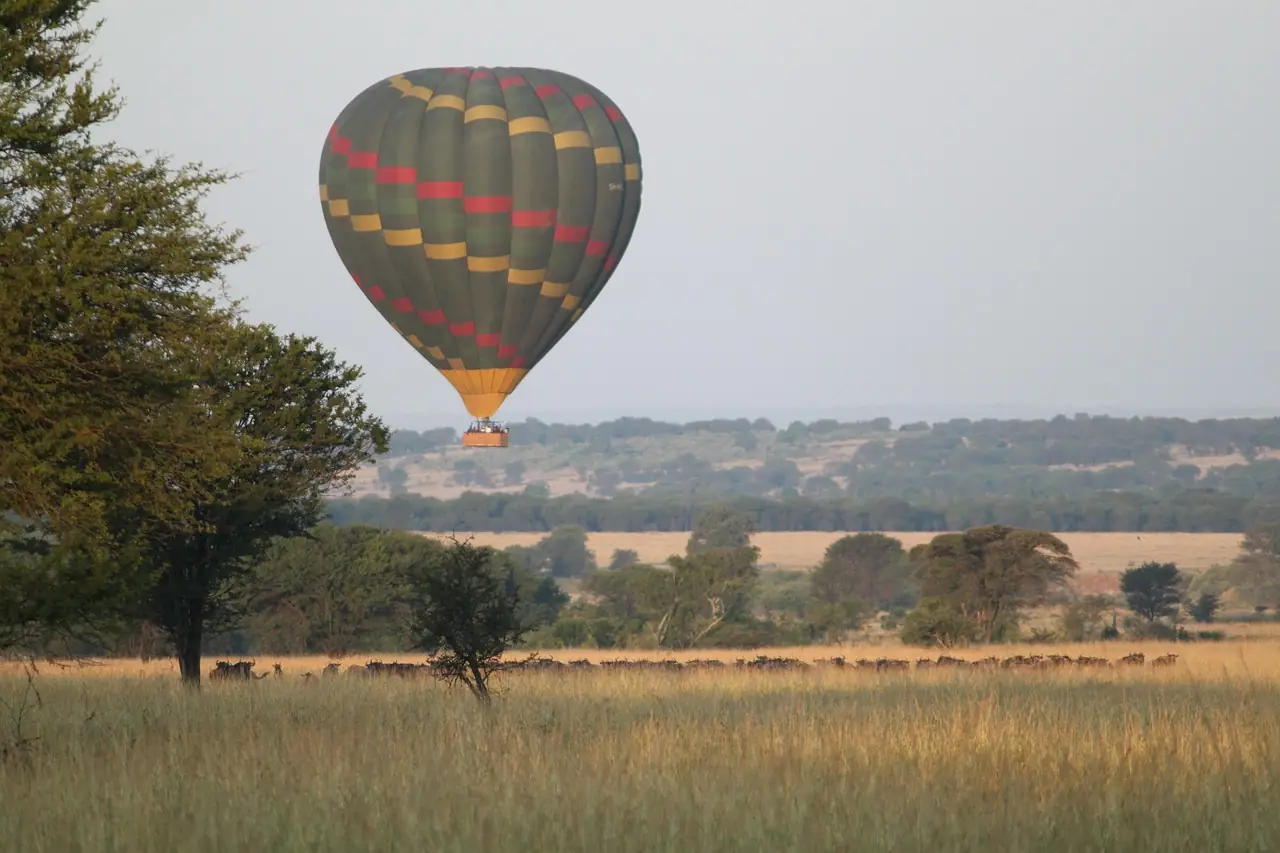
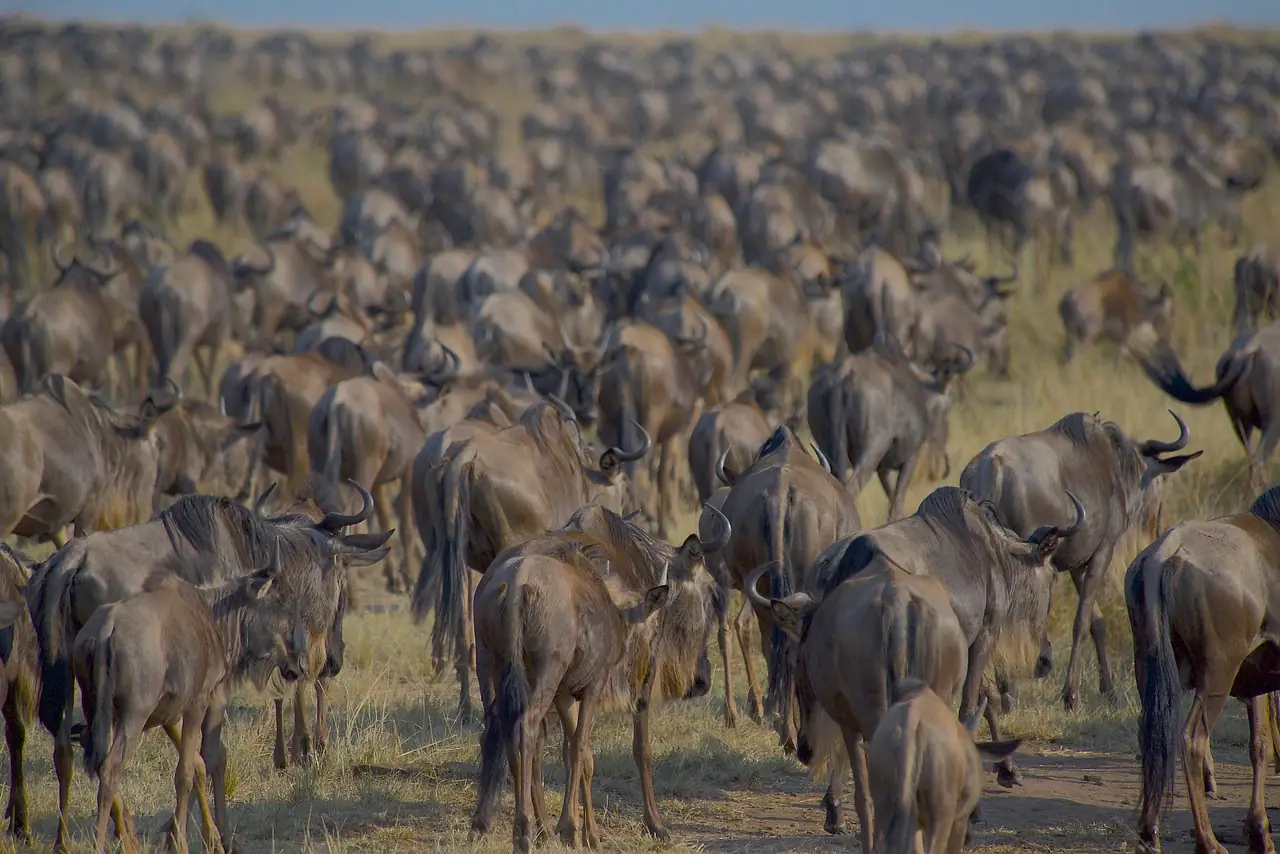
The million-dollar question: best time to visit the Masai Mara? If you want to witness the Great Wildebeest Migration, you’ll want to plan your trip for the dry season, from July to October. It’s a once-in-a-lifetime experience to see millions of animals cross the Mara River.

If you prefer fewer crowds and a more peaceful experience, consider visiting during the shoulder season (April to May or September to November). The wildlife is still abundant, and you can often find better deals. The peak season (July-August) is busy, but it is also the best time for viewing. If you’re on a budget, the low season (December-March) is your best friend, with green scenery and great prices.

Clear skies in the month of January

Plan Your Trip

When you’re ready to book, think about the seasons. Whether you’re looking for a luxury lodge or a tented camp, there’s something for everyone. I always advise people to book well in advance, especially during peak season, as spots fill up quickly.

You can fly into the Mara or drive from Nairobi. Once there, you can do everything from classic game drives to walking safaris. Don’t forget to pack layers for the cool mornings and warm afternoons, and always respect the park rules.

“We went on a safari last July, and it was terrific. Our guide was local and knew all the secret spots. We saw a leopard on a branch on the first day and a massive pride of lions on the third. The weather was perfect – sunny days and clear nights. We couldn’t have asked for more. – The Peterson Family.

I was told not to go during the wet season, but I’m so glad I did. I visited in November, and the landscape was truly incredible. We had a few short rain showers, but they made everything smell so fresh. It was far less crowded, and we saw many newborn animals. It was magic.” – Sarah J from the United States.

Demerits of Masai Mara

The Mara is a wild place, and it’s good to be prepared. During peak season, you may find yourself in a line of vehicles at popular sights. This can make it difficult to spot the wildlife, with everyone running toward the action. Peak season also happens to be during the wildebeest migration, meaning that you find hundreds of them, and that makes it hard to spot other animals.

The wet season can make some roads a bit tricky to navigate, and yes, there are Tse-tse flies in certain areas. However, with a good guide, these are minor challenges that don’t detract from the experience.

About Me: Harrison

I’ve helped hundreds of people plan their trips to the Masai Mara. My passion for wildlife and Kenya is what drives me. I believe a safari isn’t just a trip; it’s a life-changing experience that connects you with the natural world. I’m always here to share my knowledge and help you plan an adventure you’ll never forget.

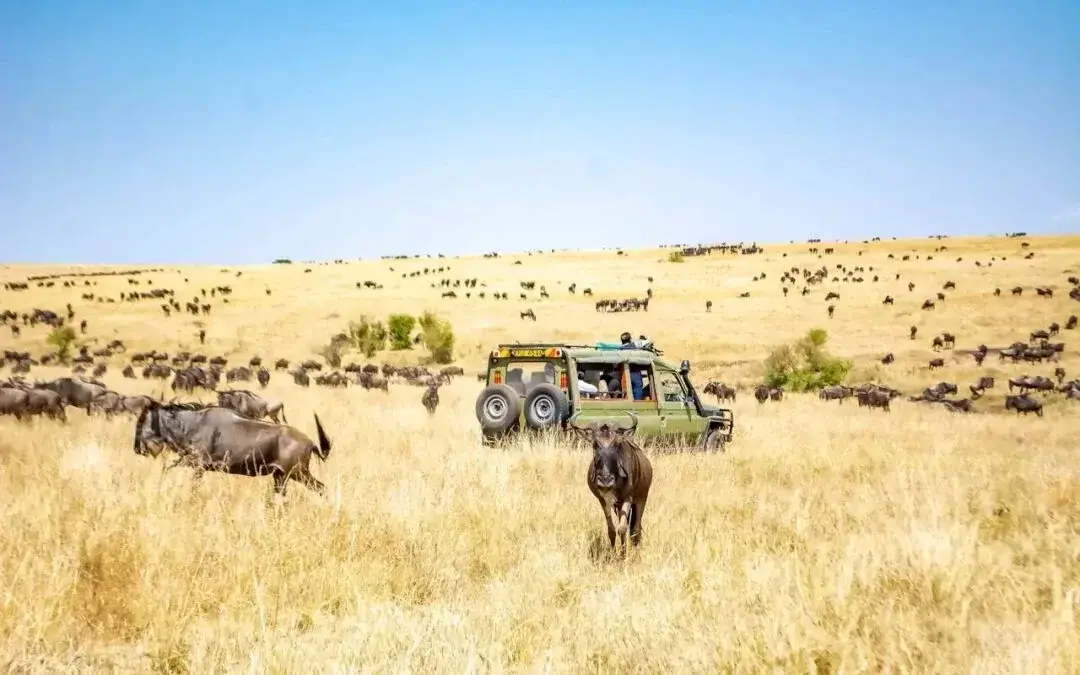
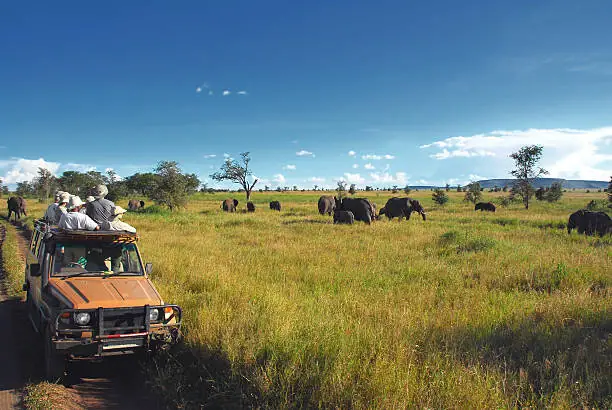
A dry Season in the month of July

Other Information About Masai Mara and Conservancy: