 Skip to content
Discover the Beauty of Mara North Conservancy in Kenya’s Wilderness
Table of Contents
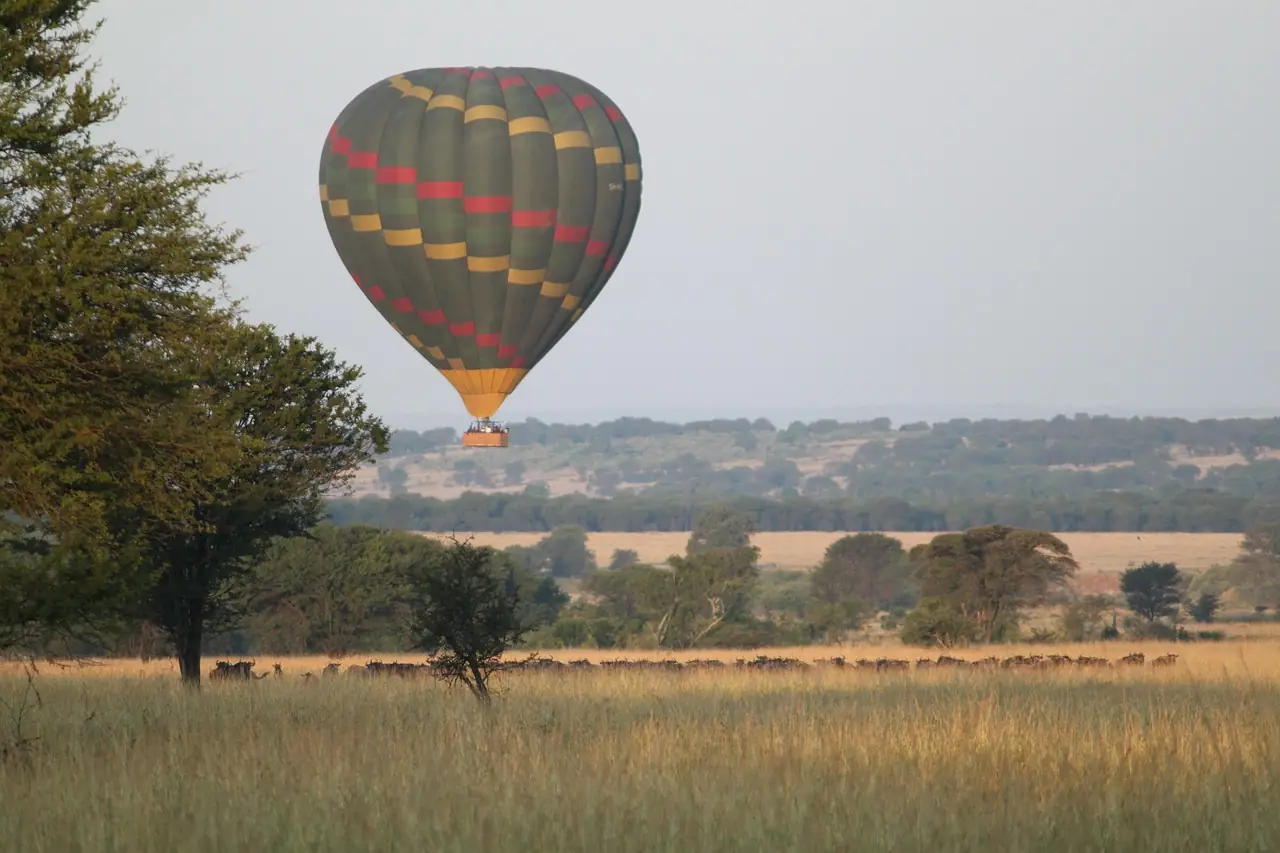
Mara North Conservancy is a world-class conservancy nestled in the heart of Kenya’s wilderness, providing an exclusive safari experience like no other. Located adjacent to the renowned Masai Mara National Reserve, it offers a unique opportunity to visit Mara North Conservancy and enjoy the best of both worlds.
Spanning an area of 320 square kilometers, this conservancy is a haven for diverse wildlife, including the iconic Big 5, and is particularly famous for its high concentrations of endangered African wild dogs. It’s a prime location for witnessing the Great Migration, where migrating herds of wildebeest and zebras grace the landscape with their dramatic Mara River crossings.
The conservancy was previously in a poor state due to fragmented ownership and overgrazing by cattle, but it has since transformed into a thriving wildlife haven. The area was in extremely poor condition during the 1980s and 1990s, highlighting the remarkable turnaround achieved through conservation efforts. This transformation has not only benefited the wildlife but also promises a brighter future for the local Maasai landowners and the community.
History and Geography

Established in 2009, Mara North Conservancy is a collaborative effort between Maasai landowners and member camps, aimed at promoting responsible tourism and wildlife conservation. Over 800 Maasai landowners came together to establish the conservancy, uniting their efforts to protect the land and its wildlife.
Situated within the expansive Mara ecosystem, the conservancy boasts rolling hills, wooded valleys, and the scenic Lemek Hills. The eastern side of the plains features a network of wooded valleys and seasonal streams, creating an emerald-hued refuge for various wildlife such as elephants, baboons, and hippos. Notable locations within the conservancy include the heaven plain, known for its exclusive and intimate safari experiences, and Leopard Gorge, a secluded area famous for being a maternity ward for big cats, adding to the allure of the conservancy. The area is teeming with wildlife, including elephants, giraffes, and lions, offering visitors a chance to immerse themselves in the beauty of the African wilderness. The nearby Mara River, known for its dramatic crossings during the Great Migration, further enhances the conservancy’s appeal.
Wildlife and Conservation

Mara North Conservancy is deeply committed to wildlife conservation even during safari activities, working closely with the local Maasai community to safeguard the area’s diverse wildlife. Home to over 450 species of birds and a multitude of animals, including the Big 5 and endangered African wild dogs, the conservancy boasts one of the highest concentrations of wildlife in the Mara ecosystem, making it a premier safari destination.
These efforts have led to a booming wildlife population, focusing on protecting the Mara-Serengeti ecosystem and promoting sustainable tourism practices, providing a unique opportunity to experience the African wilderness while learning about the importance of conservation. Riverine forests within the conservancy are vital ecosystems that support a diverse array of wildlife, including elephants and hippos.
Conservation efforts also include natural environment regeneration, protection from poaching, and the use of compost systems for organic waste management, ensuring the long-term health of the ecosystem and minimizing ecological impact.
Accommodation Options During a Mara North Safari
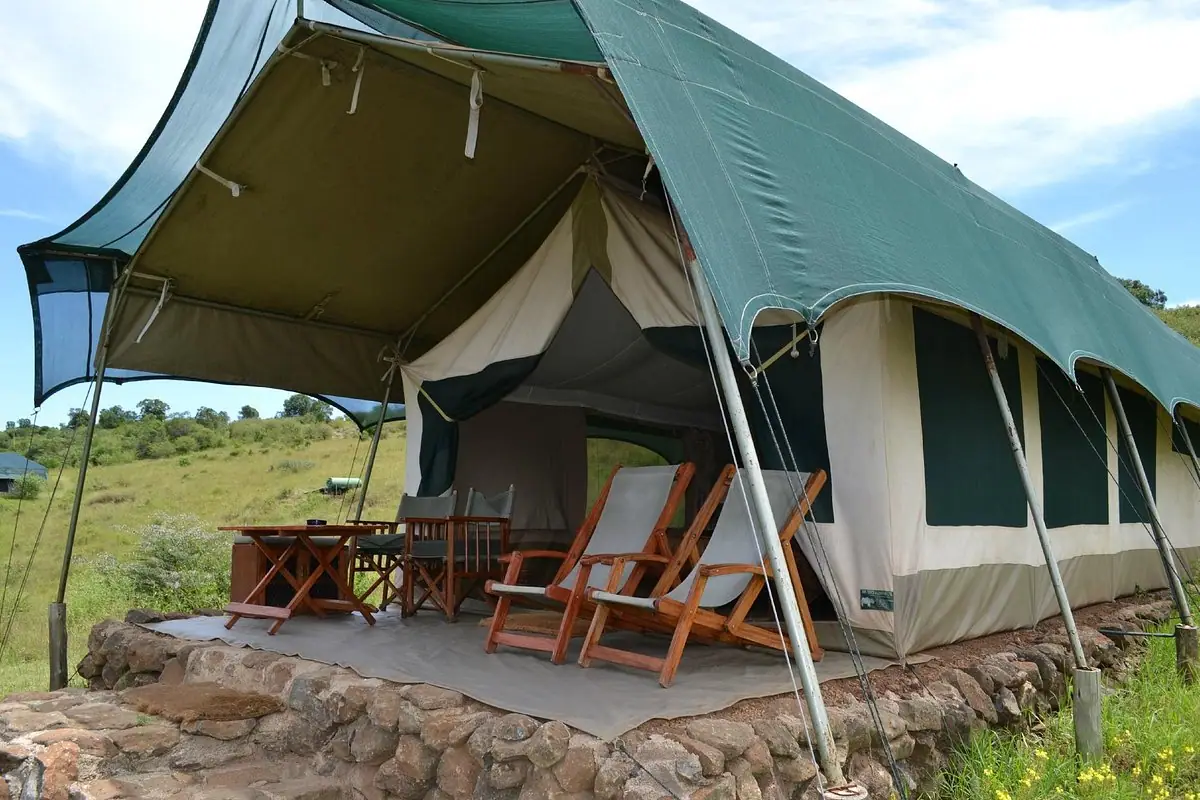
Visitors to Mara North Conservancy can choose from a range of accommodation options, including luxurious lodges and camps. Saruni Mara stands out as one of the premier lodges, offering an exclusive safari experience with breathtaking views of the surrounding landscape. Located near the Elephant Pepper Camp, the lodge provides a variety of activities, such as game drives, walking safaris, and bush meals. The accommodations also implement compost systems as part of their environmental policies, emphasizing their commitment to minimizing ecological impact.
You can also enjoy off-road driving and after-dark jeep safaris, making the experience even more thrilling. The conservancy is also home to several other lodges and camps, including those nestled in the nearby Loita Hills.
There are only twelve safari lodges scattered throughout the Mara North Conservancy, ensuring an intimate and exclusive experience for visitors. Accommodation in the Mara North Conservancy is limited, so early booking is advisable for the busy July to October period to secure your spot during the peak season.
The Great Migration

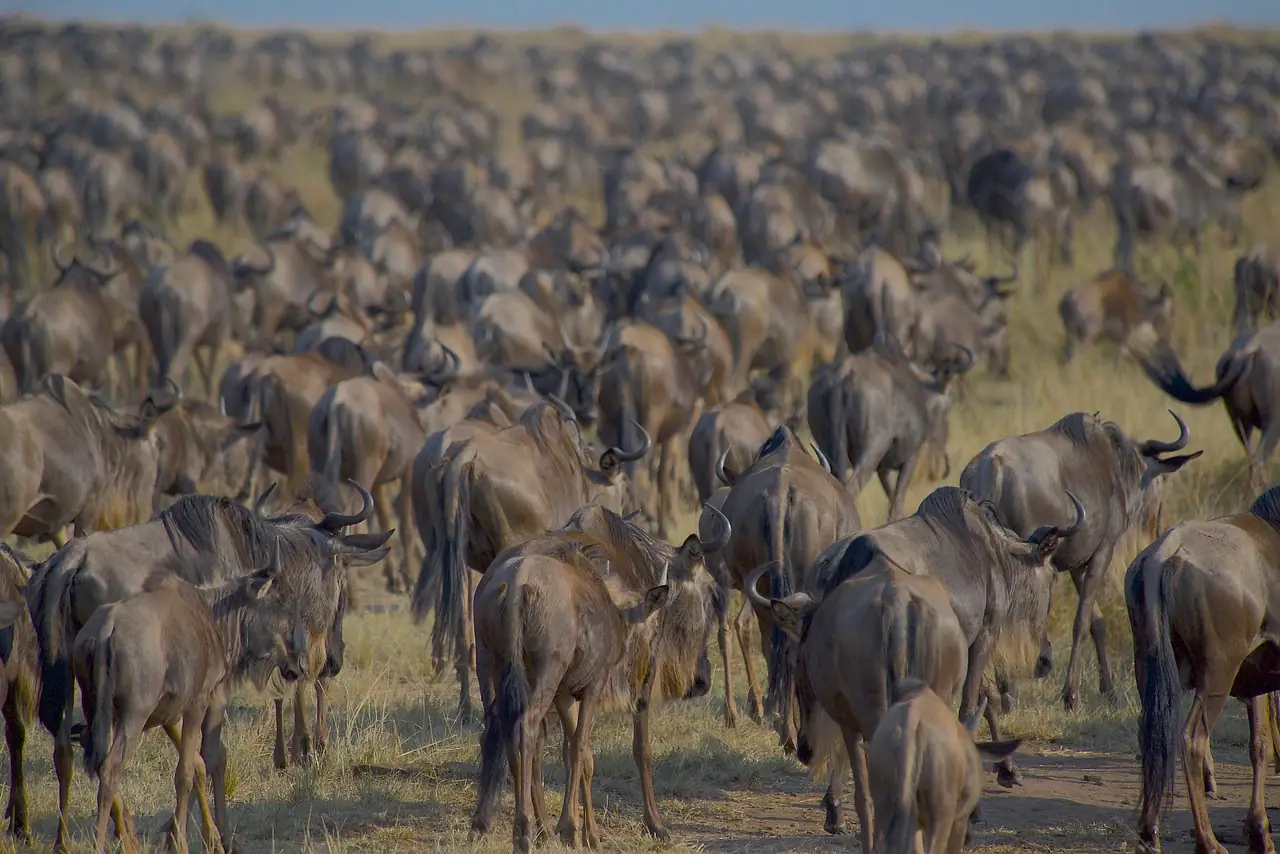
The Great Wildebeest Migration is a spectacular event, with millions of wildebeest and zebras traversing the Mara- Serengeti ecosystem annually. Typically occurring between July and October, the peak season is in August and September.
Mara North Conservancy is a prime spot for witnessing this awe-inspiring phenomenon, as the migrating herds pass through the area, offering a rare opportunity to see the Big 5 and other wild animals in their natural habitat. Notably, Leopard Gorge within the conservancy serves as a secluded maternity ward for big cats, adding to the intimate wildlife encounters.
Additionally, the Mara Triangle is a prime location for witnessing the Great Wildbeest Migration, especially the dramatic river crossings. The best time to visit is from July to October during the dry season, when wildlife is easier to spot near permanent water sources.
During this period, chances of seeing the big African cats are greater, making it an ideal time for game enthusiasts. The months from November to June are considered the green season in the Mara North Conservancy, offering a different but equally captivating experience.
Exploring the Wilderness

Mara North Conservancy is a vast and captivating area, rich with game and scenic locales to explore. Situated near the Olooloo Escarpment, it offers stunning vistas of the surrounding landscape and a unique chance to experience the African wilderness’s grandeur. The region is dotted with other picturesque locations, such as the Lemek Hills, the Mara River, and the notable Rhino Crest. The Musiara Marshes are also a highlight within the conservancy, offering intimate and exclusive wildlife experiences.
Additionally, the conservancy is home to the Loita Hills migration from December to May, providing another incredible wildlife spectacle. The conservancy invites visitors to embark on thrilling explorations of the wilderness, encountering a wide range of wildlife, including the Big 5 and endangered wild dogs.
There is plenty of wildlife present during the green season from November to June, offering visitors a chance to experience the lush and vibrant side of the Mara ecosystem. You will likely encounter very few other vehicles during a game drive, enhancing the sense of solitude and connection with nature.
Embrace the adventure of a lifetime at Mara North Conservancy, a first-class safari destination where the essence of the African wilderness comes alive, promising intimate encounters with nature and a deeper understanding of wildlife conservation.
The monthly fees paid by the accommodations in the conservancy support education, health, and women’s entrepreneurship in the Maasai community, ensuring that tourism directly benefits the local population. Each of the accommodations follows the conservancy’s strict environmental policies, ensuring that tourism has minimal impact on the environment while supporting conservation efforts.

Welcome to AjKenya Safaris
Thanks for stopping by! We’re excited to help you plan an unforgettable safari.
- Phone: +254 748 258880
- WhatsApp: +254 748 258880
- Email: [email protected]
- Email: [email protected]
