Skip to content
When you think of the Masai Mara, what comes to mind? I bet it’s the classic postcard shot: a lion pride lazing in the sun, or a leopard draped over a branch. And you’d be right to picture that—the Big Five are a big part of the Mara’s magic. But let me tell you a secret: to really fall in love with this place, you have to look past the superstars. The real story, the one that’ll give you goosebumps, is in the shadows, the tall grass, and the cool of the night.
The Masai Mara isn’t just a place for safari animals; it’s a living, breathing tapestry. The real adventure starts when you open your eyes to the shy, the swift, and the overlooked creatures that make this ecosystem tick. So, get ready to dive deep with me, and I’ll show you the hidden wonders that’ll make your next Kenyan safari unforgettable.
 Pangolin – Lesser Known Masai Mara Animal
Elusive Predators: The Mara’s Sneaky Hunters
While the big cats get all the glory, the Mara is home to some seriously cool carnivores whose sightings are a real safari bonus. Spot one of these and you’ll feel like you’ve levelled up in a video game!
The Serval Cat: King of the Grasslands
Talk about a master of efficiency. The serval cat is truly stunning, with a black spot on a golden coat, but it’s their long legs and huge ears that’ll really capture your attention. They’re built for hunting rodents and birds in that tall Mara grass. They’ll listen for a tiny rustle, then pounce with an almost comical, yet perfect, leap. I always get a thrill just seeing one.
The Caracal: A Phantom of the Bush
A caracal sighting is a rite of passage for any serious safari-goer. These beautiful wild cats are like ghosts, with their reddish-brown fur and those signature tufted ears. They’re so agile you’d almost think they’re a mirage. They can jump high into the air to catch a bird, which I was lucky enough to see once.
I remember my guide, a local Maasai elder named Lemaiyan, whispering, “A caracal! We are very blessed today.” His reverence made the moment even more special. We had been driving for hours, the sun was hot, and we were about to turn back when there it was—a silent blur of red and power. It was a perfect reminder that the Mara always has a surprise up its sleeve.
African Wild Dogs: The Painted Wolves
If you want a shot of pure adrenaline, find a pack of African wild dogs. These individuals are scarce, so seeing them is a significant event. Their patchwork coats are like a work of art, and they are some of the most efficient hunters on the planet. I can’t explain the thrill of watching them work together; it’s a symphony of movement. While they were gone for a while, they’ve slowly been making a comeback, and a sighting is a testament to how wild and special this place is.
Honey Badger: The Fearless Forager
Don’t let their size fool you. Honey badgers are a force of nature. They’re small, tough, and just don’t care about anything. Their reputation for being fearless is well earned. I’ve seen them march straight towards a pride of lions without hesitation. They’re the kind of animal you just have to respect.
 Honey Badger in Masai Mara
Nocturnal Wonders: The Mara After Dark
As the sun sets, a whole new world comes alive. You can’t get the complete picture of Masai Mara wildlife without a night drive. The plains come alive with creatures you’d never see during the day.
Aardvark: The Earth Pig
Imagine a pig’s snout, rabbit’s ears, and a kangaroo’s tail, and you have an aardvark. They are one of the weirdest and most unique animals you’ll ever see. They are a true nocturnal creature, spending their nights digging for termites and ants. You’ll be fortunate to see one.
Bushbaby (Galago): The Forest’s Acrobats
You have to see a bushbaby to believe how cute they are! They have huge innocent eyes and are so fast. I remember one safari where we heard their cries – they sound just like a crying baby, it’s spooky at first! – and our guide shone the spotlight into the trees. We watched one little guy leap from branch to branch with incredible speed. It’s a moment of pure joy.
African Civet: The Solitary Scent-Marketer
The African civet is a beautiful creature, characterized by its spotted coat and distinctive bandit-like mask. It’s an elusive, solitary animal that spends its nights foraging for anything it can find. Seeing one feels like you’ve been let in on a secret, a glimpse into a world that exists when we’re all asleep.
Striped Hyena: The Ghost of the Night
You’ll see spotted hyenas everywhere, but their striped cousins are a different story. They’re shyer, more solitary, and have a beautiful striped coat. They’re a ghost of the night, rarely seen but an absolute treat if you do.
 Striped Hyena of Masai Mara – Image Credit @Karim Kara African Geography
Unique Herbivores and Reptiles: The Supporting Cast
The Mara’s supporting cast of characters is often overlooked, but they are just as cool as the main stars. They add so much to the landscape.
Jackson’s Hartebeest: The Clown of the Plains
You can’t help but smile when you see a hartebeest. With their long, sad faces and funny horns, they look like they’re having a bad day. They’re actually pretty fast and often stand on termite mounds, which makes them look even goofier.
On my first trip, I asked my guide if the hartebeest was okay because it looked so miserable. He laughed and said, “That’s just their face! They are pleased.” Now it’s a running joke in our family to say “I feel like a hartebeest today” when we’re having a tough time.
Kirk’s Dik-Dik: The Tiny Antelope
Want to see the cutest thing in Africa? Look no further than the Kirk’s dik-dik. These tiny antelopes are no bigger than a house cat and are almost too cute to handle. They live in pairs in the bush, and when they get spooked, they let out this ear-piercing whistle – that’s where they get their name!
Monitor Lizards: The Reptilian Guardians
These big lizards, the Nile monitors, are common along the riverbanks. They resemble mini-dragons and are downright prehistoric. Watching them bask in the sun or slip into the water is a reminder of just how diverse this place is.
 Monitor Lizard at Masai Mara
The Feathered Jewels: An Overlooked Avian Paradise
I’m telling you, if you ignore the birds of Masai Mara, you’re missing half the fun. The Masai Mara is home to over 570 different bird species. They add so much color and life to every safari.
The Secretarybird: The Serpent Slayer
The secretarybird is the ultimate African savanna icon. With their long legs and plume of head feathers that look like old quill pens, they’re one of the most recognizable birds out there. It’s a total thrill to watch them stalk and stomp on snakes and lizards. They’re one tough bird!
The Lilac-breasted Roller: Kenya’s National Bird
You can’t go to the Mara and not see a lilac-breasted roller. This bird is a living rainbow—a gorgeous mix of purple, blue, green, and turquoise. They’re so easy to spot, just sitting on a branch waiting for their close-up. They’re a photographer’s dream.
I once spent 5 minutes just trying to get the perfect shot of one. The colours are so vibrant and saturated that they almost don’t look real. It’s moments like that, just appreciating the simple beauty of nature, that really stick with you.
The Southern Ground Hornbill: The Vulture of the Grasslands
These large, black birds with bright red faces are awe-inspiring. They march across the plains in groups, and their deep booming calls can be heard for miles. They’re a sign of a healthy ecosystem and play a vital role in maintaining balance. They’re almost like the Mara’s guards.
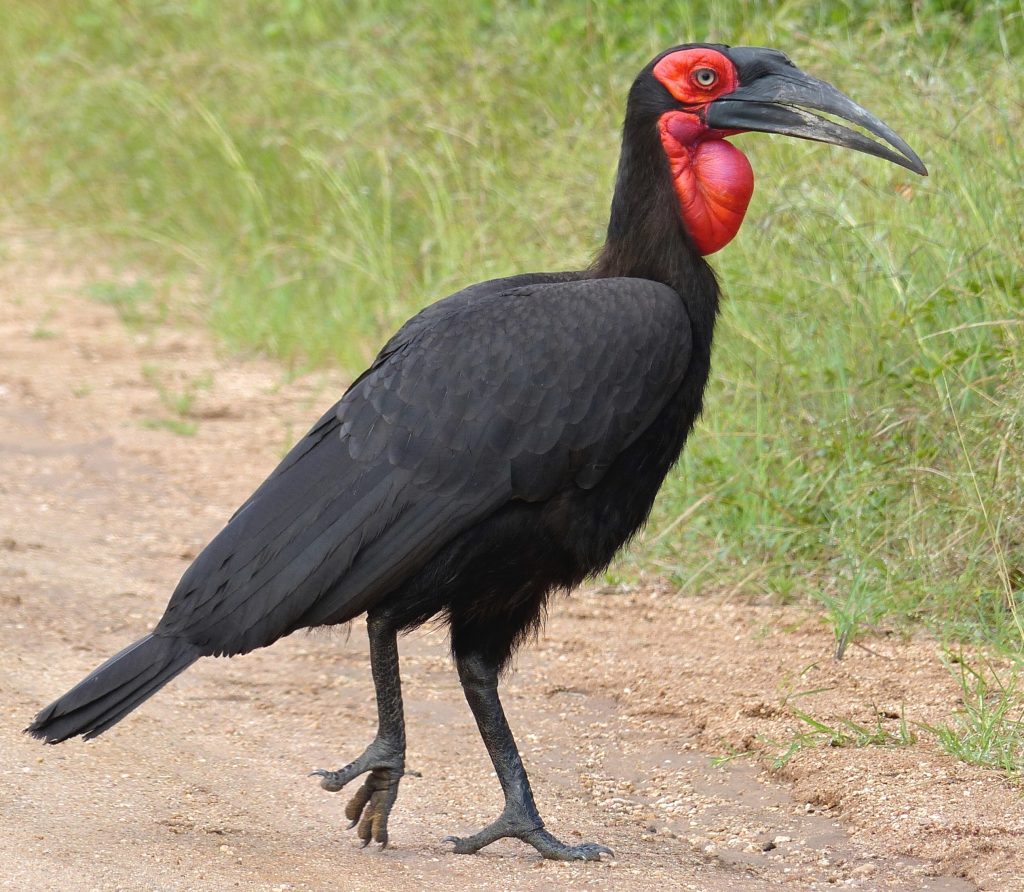 Southern Ground Hornbill at Mara
The Downsides of Masai Mara Animals
While the animals of the Masai Mara are undeniably alluring, it’s also important to be aware of the challenges and realities. The animals are wild and unpredictable; your safari guide’s knowledge is crucial to your safety. Some species, such as elephants and buffalo, can be aggressive and should be viewed from a safe distance.
Human-wildlife conflict is also an ongoing issue, with communities losing livestock to predators. The sheer number of vehicles can sometimes impact the animals’ behavior, which is why we at AJ Kenya Safaris highly recommend choosing eco-friendly safari operators who prioritize animal welfare and sustainability.
About the Author – Harrison
Hi, I’m Harrison. I’m a travel consultant and writer for ajkenyasafaris.com. For years, I’ve had the privilege of helping fellow travellers like you plan their dream Kenyan safari. I live and breathe this country’s wildlife and landscapes, and there’s nothing I love more than sharing the magic of the Mara.
I’ve spent countless hours on the plains learning from some of the best guides in the business and witnessing moments that will stay with me forever. My goal is to utilize my experience to help you travel responsibly in Kenya and create memories that last a lifetime.
Find More Content of the Masai Mara Here