...

Exploring the Unique Geology of the Masai Mara: A Comprehensive Guide

Table of Contents

Ever wondered what makes the Masai Mara so special, so full of life? It’s not just the wildlife, though they’re certainly a big draw. It’s the ground you’re driving on, the hills that frame your view, and the rivers you cross. It’s all part of the Masai Mara geology. This isn’t just a place; it’s a living, breathing story of how the earth was formed, and I can’t wait to tell you about it.

We’re going to explore the Masai Mara’s geological features that make this landscape so unique. We’ll explore how this remarkable place was formed, from its ancient volcanic origins to the dramatic forces at work today. So let’s go on an adventure to uncover the secrets of one of Africa’s greatest treasures with AjKenyaSafaris.com.

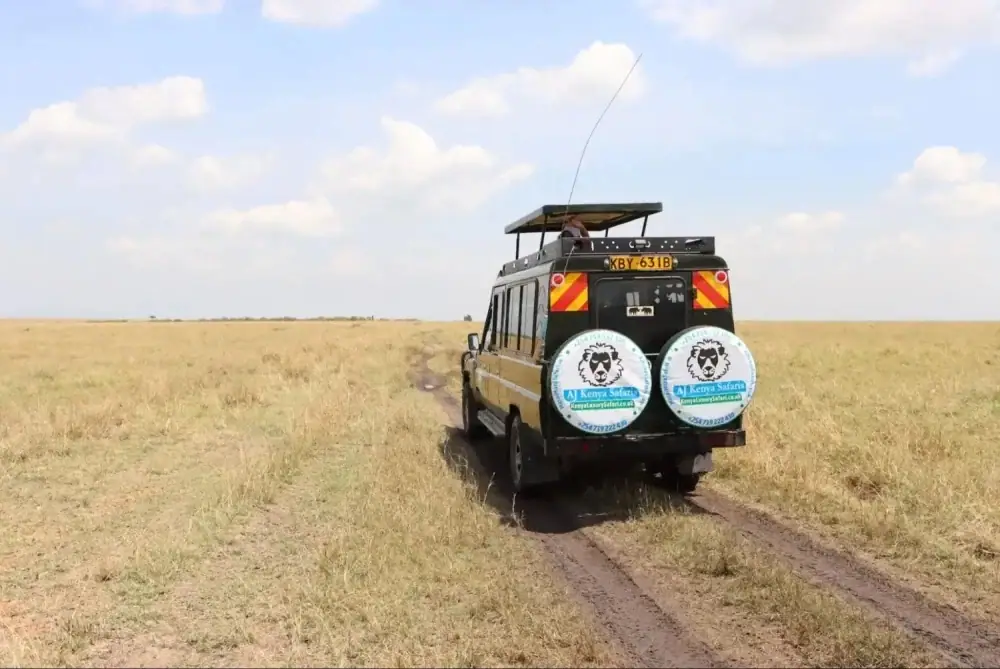
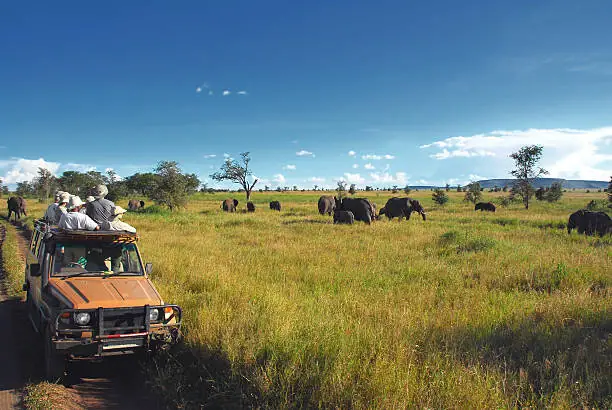
Aj Kenya Safari Landcruiser

A Journey Through Time: How the Masai Mara was Formed

Imagine this: you’re standing in the middle of a vast plain, the sun on your face and a gentle breeze rustling the grass. What you don’t see is the history buried just beneath your feet. The foundation of the Masai Mara is built on some of the oldest rocks on the planet – Precambrian rocks over 600 million years old. These ancient igneous and metamorphic rocks have been shaped by millions of years of erosion, which is why we see the landscape we have today.

The Masai Mara landscape formation is a complex story of fire, water, and earth-shattering movements. The East African Rift Valley has had a significant impact. You can see its influence in the Oloololo Escarpment geology to the west. This massive cliff face is a result of the rifting, a testament to the tectonic forces at play. Then there are the Ngama Hills with their quartz rock formations, remnants of ancient volcanic activity.

“I remember my first time seeing the Mara from the top of the escarpment. The view was so big I felt like I was standing at the edge of the world. It’s hard to wrap your head around how much time and energy went into this. I took a deep breath and just tried to take it all in, feeling the ancient energy of the place beneath my feet. It’s humbling to realize you’re a small part of a much bigger, older story.”- Stephen from the UK, a traveller with AjKenyaSafaris.com.

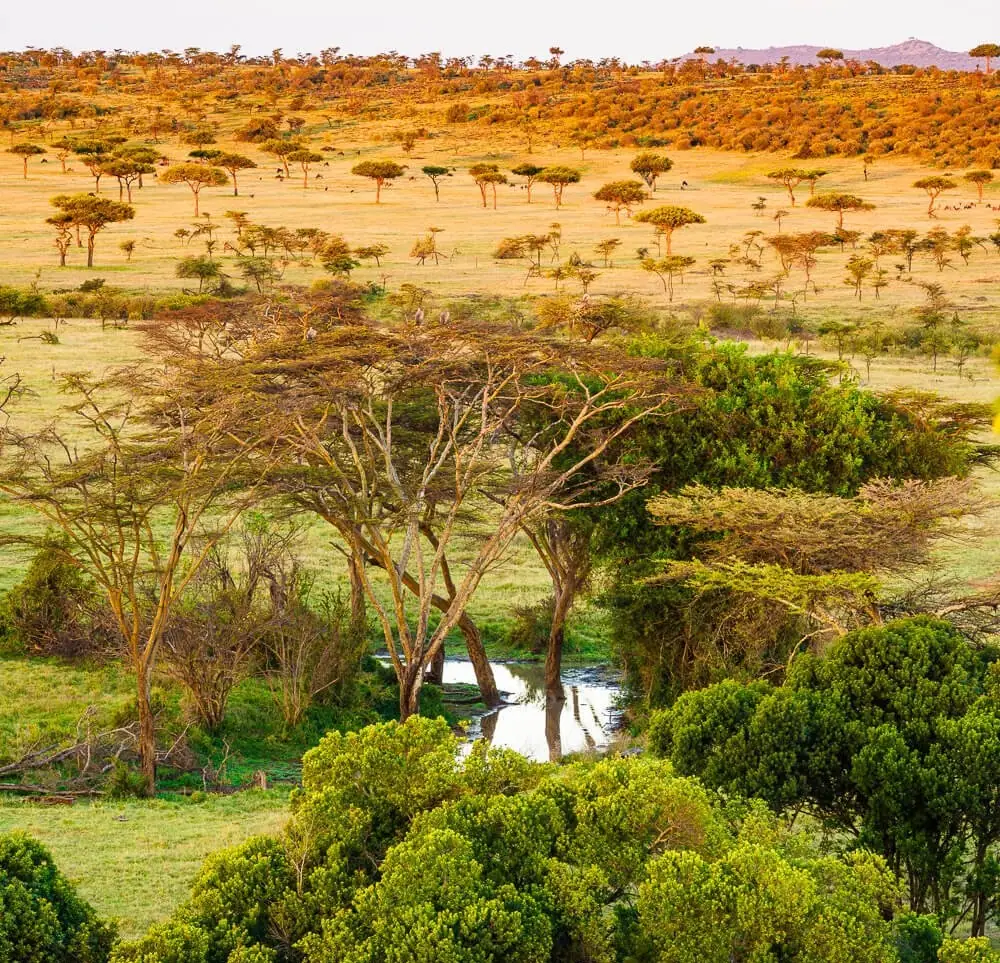
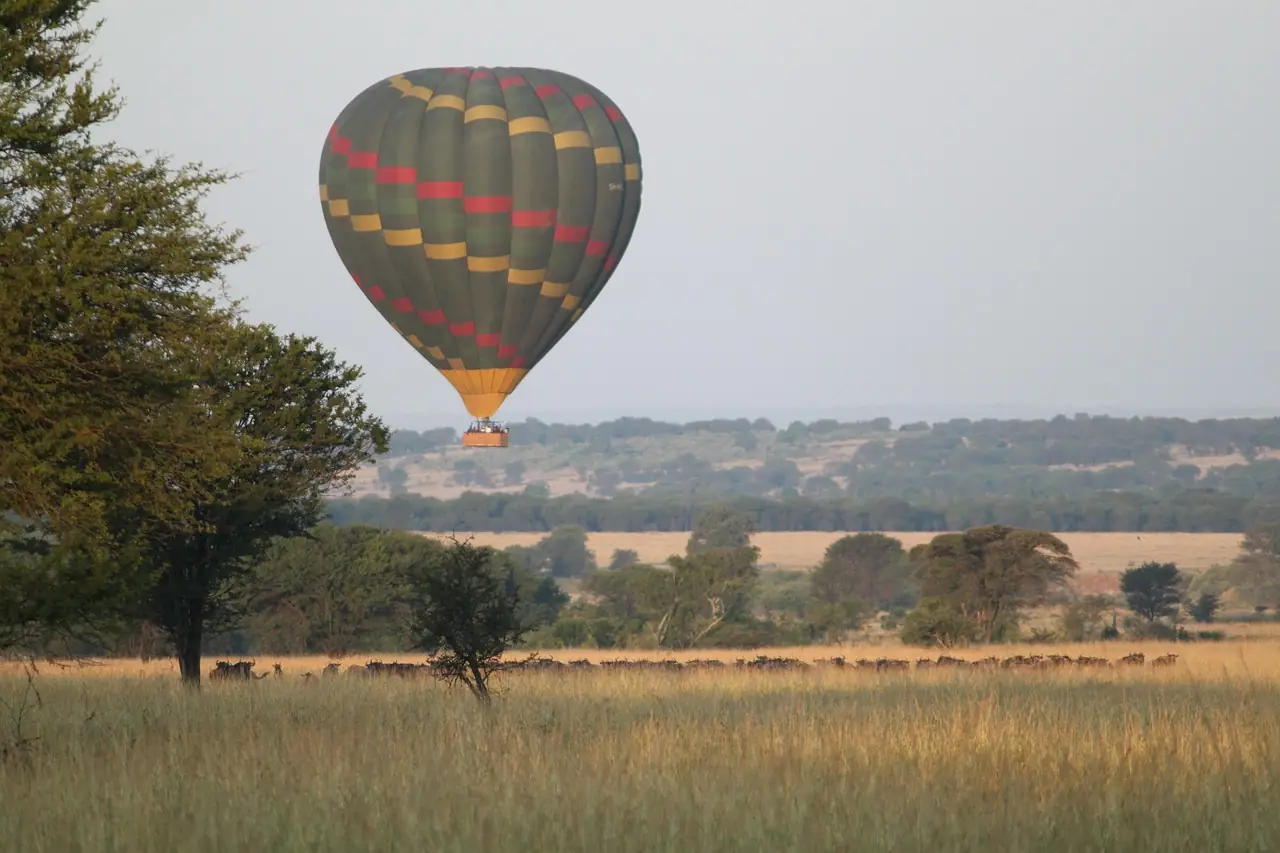
mara-serengeti ecosystem

The Heart of the Ecosystem: The Mara River Basin and Soils

The lifeblood of the Masai Mara is the Mara River basin geology. The Mara and Talek Rivers are not just water sources; they’re geological sculptors, carving deep channels through the plains and creating the landscape you see. The Mara River runs right through the reserve, acting as a boundary for the ecosystem and a lifeline for all the wildlife.

The Masai Mara soil composition is another key player. You’ll notice the ground is often eroded, a result of natural processes and, unfortunately, human and animal impact, especially from elephants. This loose, fertile soil is a mix of younger rocks and volcanic lava from the Great Rift Valley, deposited over time. It’s this soil that supports the grasslands, which in turn fuel the entire Masai Mara ecosystem and the Masai Mara wildebeest migration.

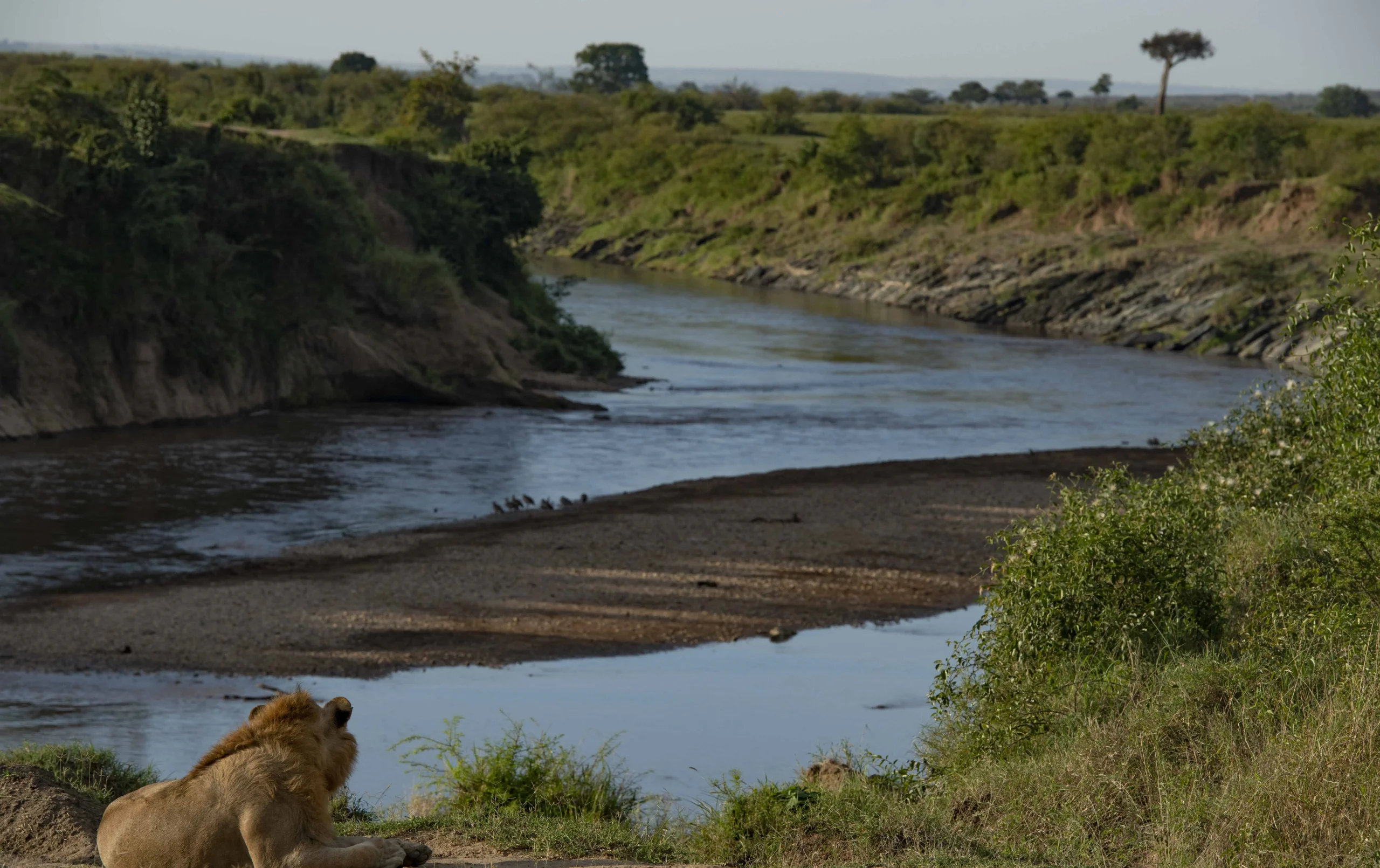
The Mara River

A Closer Look at the Rift: How the Rift Valley Affects the Masai Mara

So, how does the Rift Valley affect the Masai Mara? It’s the single most crucial geological factor. The same tectonic forces that are slowly tearing Africa apart are responsible for the dramatic relief and diverse landscape. This is what created the steep face of the Oloololo Escarpment and the rolling plains that stretch out for miles. It’s also why you see a mix of ancient and more recent geological features all in one place. The East African Rift System has essentially shaped everything we love about this place.

When you’re on a Masai Mara safari, you’re not just looking at animals; you’re witnessing the dynamic Serengeti ecosystem in action. The unique Mara Triangle, located to the west of the Mara River, is defined by the river and the escarpment, providing a perfect example of how geology dictates the movement of animals and the functioning of the ecosystem.

“I was on a game drive a couple of years ago, and we had to cross a low-lying section of the Talek River. Our guide pointed out the different rock layers on the riverbank, each one telling a different chapter of the Mara’s history. He explained how this same river had carved the landscape over millennia. It was a real “aha!” moment for me, realizing that what I was seeing was a live, ongoing process. The sound of the water, the feel of the cool air, and the stories in the rocks – it all came together in a way that truly connected me to the place.”- a safari goer with AjKenyaSafaris.com.

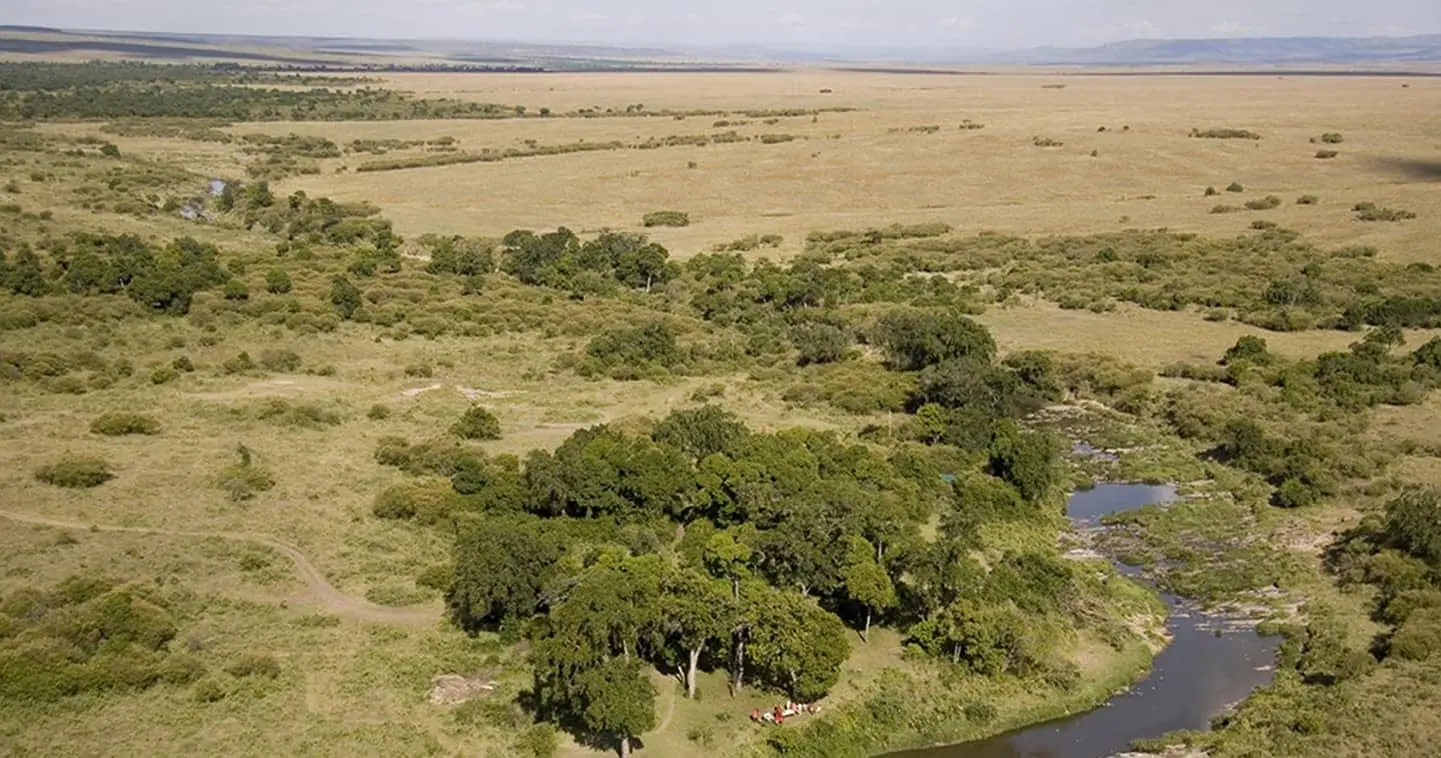
A river flowing in the mara

Beyond the Scenery: What Are the Rocks in the Masai Mara

So, what are the rocks in the Masai Mara? You’ll find a wide variety, ranging from the ancient Precambrian rocks we discussed earlier to more recent volcanic and sedimentary deposits. The impact of geology on vegetation is undeniable. The diverse rock and soil types create varied landscapes, ranging from open savannahs to dense riverine forests. These distinct habitats support a wide range of animal species, which is why the biodiversity here is so remarkable.

The geology of the Kenyan Highlands has a significant impact here. The highland volcanic activity created the volcanic soils that support the vast herds of herbivores. So the next time you’re on a game drive, take a moment to look down. The ground beneath your feet tells a fantastic story.

We were driving near the Ngama Hills one afternoon, and our guide pointed out these incredible quartz formations that stuck out of the ground. He told us they were from an ancient volcanic event, and I just had to get out and touch one of the rocks. It felt so smooth and solid, like a piece of forever. It’s not just about the big things; it’s about those little details that really hit you.

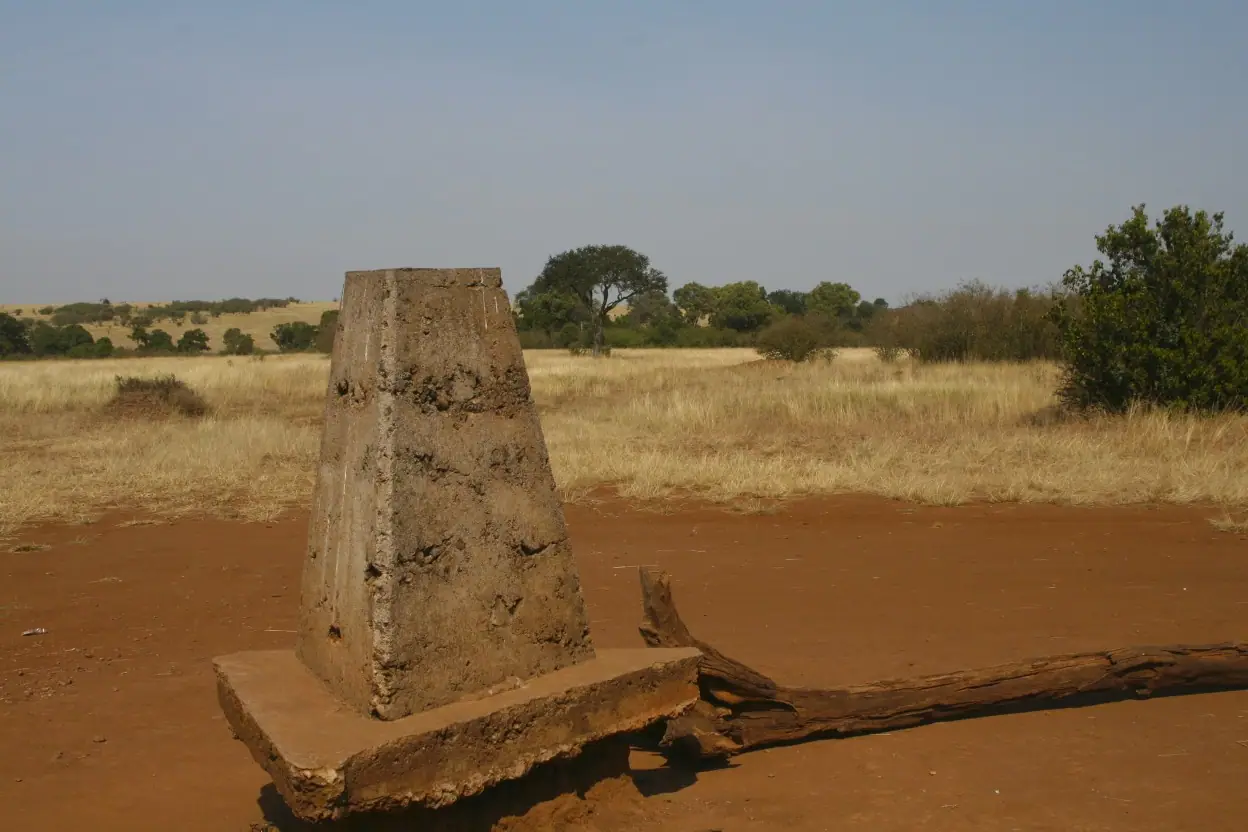
The soil in the Masai mara

The Unseen Challenges: Demerits of the Geology of the Masai Mara

While the geology of the Masai Mara is fantastic, it’s not without its problems. The very forces that created this beautiful landscape also make it vulnerable. The eroded soil, a result of both natural processes and elephant damage, is a constant worry. This erosion, particularly on the Oloololo Escarpment, can lead to land degradation and deforestation, which affects the whole Masai Mara ecosystem

The unique geology of the rivers, with very few crossing points, can limit safari logistics and game drive routes, which can be frustrating for visitors who want to cover more ground.

Mara: Visitor Experience and Facts

So you want to plan your Mara safari? You’ve picked a great time! The Mara National Reserve is open all year round, but the best time to visit is during the dry season, from June to October. It’s when the animals congregate around the water sources, and the migration is in full swing. If you’re visiting Oloololo Escarpment, you’ll be rewarded with the most breathtaking views you’ve ever seen.

There are so many Mara facts to learn and experience. Whether you’re a photographer, nature lover, or adrenaline junkie, this place has something for you. Just remember to respect the rules, stay in your vehicle when asked, and appreciate this incredible environment for what it is.

About the Author: Harrison

I’m Harrison, a travel consultant, writer, and a passionate traveler from ajkenyasafaris.com. For me, travel isn’t just a job; it’s a way of life. I believe in helping people discover the raw beauty of Africa, and I’ve spent years exploring its diverse landscapes and cultures. 

My goal is to make your dream safari a reality, sharing my insights and experiences to help you plan an unforgettable trip. I love connecting with people and sharing the magic of the places I’ve been. If you have any questions, please don’t hesitate to ask me!

Find Out More About Masai Mara Here